 Blogs
Blogs When you hear the term, “special education,” what assumptions come to mind?
Different? Unusual? Difficult?
Students in special education may hear these words on a regular basis. Even when a school focuses on inclusion, there is often still a stigma surrounding students with special needs. This stigma can result in lower expectations, misunderstandings, and social isolation. It’s time we addressed this stigma to advocate for students in special education, ensuring that they have equitable access and opportunity to learn.
History indicates some alarming foundations for the stigma of special education. Students who presented in ways that did not fit the past’s definition of “normal” were hidden away or segregated. Although educators and schools work hard to mitigate actions and words that see students as “less than,” outdated attitudes may still persist. Outdated assumptions like these still show up in classrooms today:
- Some educators have misconceptions about student intelligence, equating a disability with a lack of intelligence, which limits expectations before a student even begins.
- When a student’s needs aren’t well understood, that uncertainty can lead to avoidance or judgment.
- An overemphasis on deficits, focusing only on what students can’t do, often overshadows their strengths and potential.
- Labels like “SPED kid” or “the low group” can reduce a student’s identity to the services they receive.
Because these attitudes prevail, students in special education can be acutely aware of what others believe them to be. This can impact how they see themselves, how their families respond to support, and how their teachers approach instruction. Some students may begin to internalize negative messages, leading to decreased confidence and motivation. Families might delay evaluation or hesitate to acknowledge a disability. General educators may unconsciously lower expectations or place too much responsibility on special educators alone.
Here are some ways we can push back against the stigma of special education:
- Always lead with strengths when talking about a student with disabilities. Instead of, “He has an IEP for reading,” try, “He’s an incredible visual learner who is building decoding skills with support.”
- Use supports as tools for growth. Model how all students use tools and supports to learn, like using fidgets or using a calm-down corner.
- Practice person-first language when describing students, such as “a student in special education” rather than defining them by their services.
- Avoid labels like “high” or “low” groups, which can box students in and limit how others see their potential.
- Make space in your classroom to teach about empathy, neurodiversity, and the many ways students learn and thrive.
- Treat special educators as the professionals they are, not as assistants, or worse, babysitters.
We owe it to all of our students to shift the narrative, and to end the stigma of special education through a collective shift in the way we view all learners. Using inclusive language and shifting the focus from deficits to strengths provide ways for all educators to develop a sense of belonging and respect for all students.
About the Author
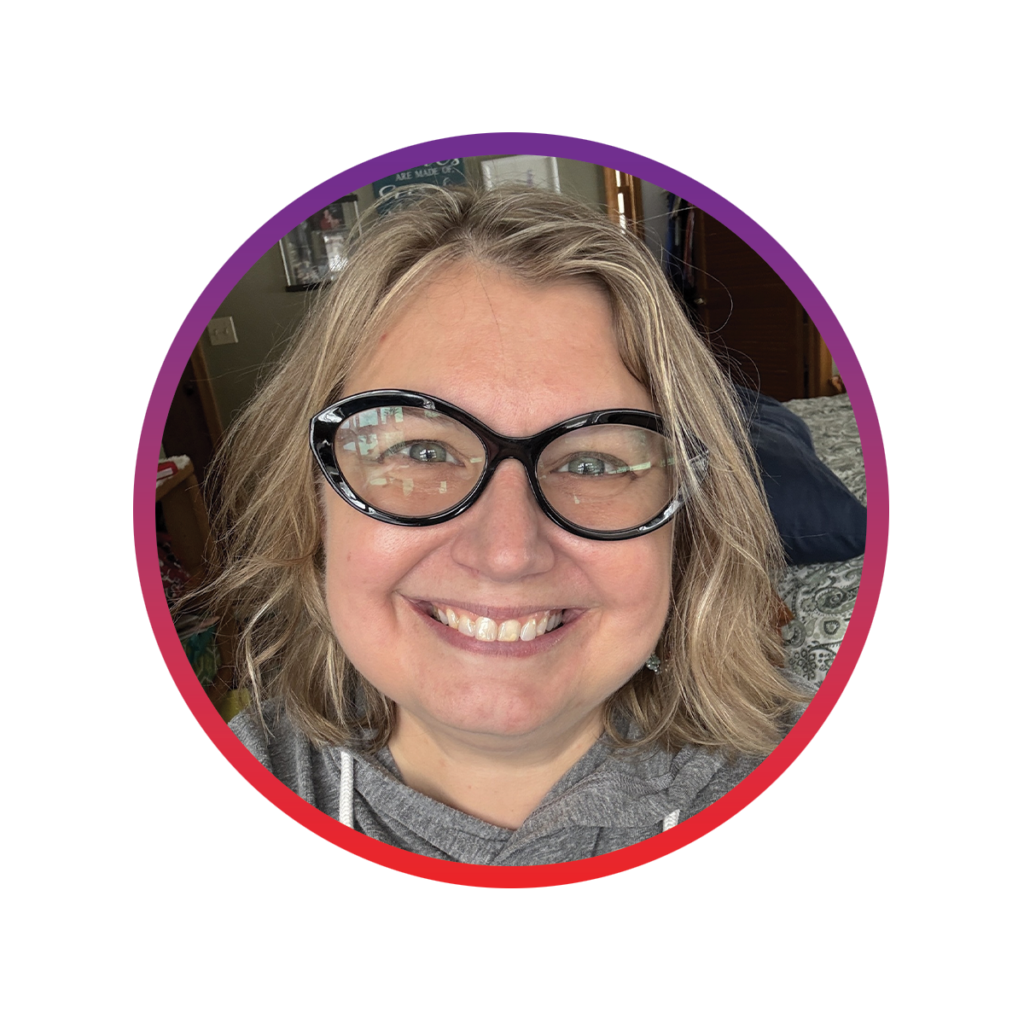
Betsy Butler (she/her) is a Professional Learning Specialist at Teaching Channel. She holds a B.A. in English, a Master’s in Education, and has been teaching since 1992. Betsy uses her three decades of teaching experience to write and revise our courses while selecting the perfect accompanying texts. Her specialty areas include ELA, special education topics, behavior management, and mental health.
Fun Fact: Betsy’s daily conquest is solving the New York Times crossword puzzle!