







 Blogs
If you’ve read my writing before (thank you!), you may have noticed a theme: I’m a big believer that small changes can make a big difference. In recognition of December’s Learn a Foreign Language Month, I wanted to share a few simple but impactful strategies for supporting Multilingual Learners (MLs).
I taught high school science for about 10 years, and while I always wanted to support my MLs’ language development, it often took a back seat to the science content I was responsible for teaching.
I incorporated strategies I’d learned from colleagues, professional development, and education courses, like using visuals, simplifying directions, and offering extra support. But there never seemed to be enough time to support language development while also making sure everyone understood photosynthesis, chemical reactions, or what exactly mitochondria do.
Now that I’m no longer teaching full-time, I’ve gained a different perspective. A few days a week, I teach English to adult learners in my small town. For the first time, I can focus almost entirely on language development without worrying about science standards or assessments.
And I’ve learned a lot!
This experience has reinforced that meaningful improvements don’t require elaborate lessons or specialized materials. While most classroom teachers can’t focus exclusively on language instruction, I hope the small, practical strategies below help you support your MLs while still prioritizing your content.
Speaking:
In my experience teaching adult English classes, some of the biggest breakthroughs happened when students felt comfortable making mistakes. Creating low-pressure opportunities to practice can make all the difference.
Try these strategies in your classroom:
- Provide low-stakes speaking opportunities. Give students time to practice with a partner or small group before sharing with the whole class.
- Allow processing time. Give students a chance to think, brainstorm, or jot down ideas before responding.
- Keep corrections simple. Not every mistake needs an explanation. If a student says, “Yesterday I go to store,” casually respond, “Oh, you went to the store!” This models correct language without interrupting the conversation.
Writing:
A student might have a strong understanding of a scientific concept but struggle to explain it in writing because they are still developing their English language skills. Their difficulty expressing what they know in English doesn’t necessarily mean they don’t understand the science!
Academic writing matters, but it’s important to distinguish between assessing content knowledge and language proficiency.
Try these strategies in your classroom:
- Offer alternative ways to demonstrate understanding. Students could create a labeled diagram, record an explanation, build a model, or complete a graphic organizer instead of writing a paragraph.
- Provide sentence starters. Posting frames like “The evidence suggests ___ because ___” on the board helps students communicate complex ideas without constructing every sentence from scratch.
- Be intentional with corrections. When assessing content, consider whether every grammatical error needs to affect a student’s score. Prioritize feedback aligned with the learning objective.
Reading:
Reading in a new language is exhausting! Even when students recognize individual words, connecting them into meaningful sentences and ideas takes considerable effort.
The solution isn’t necessarily to make everything easier. It’s to make the content more accessible.
Try these strategies in your classroom:
- Use tiered readings. Provide texts at different reading levels that address the same core concepts. AI tools can help you quickly adapt reading passages while maintaining key ideas. Be sure to review the results for accuracy.
- Preview essential vocabulary. Identify a handful of important terms before students begin reading, rather than overwhelming them with lengthy vocabulary lists.
- Pair text with visuals. Diagrams, photographs, and graphic organizers help students connect unfamiliar language to meaningful concepts.
- Offer audio alongside text. Text-to-speech tools and recorded readings allow students to hear words as they read, supporting pronunciation and comprehension.
- Use captions and transcripts. Enable accurate captions when showing videos and encourage students to adjust playback speed for additional processing time.
Listening:
We often think about reading accommodations, but listening supports can be just as important. Spoken directions can be especially challenging when students are simultaneously processing unfamiliar vocabulary and new information.
Try these strategies in your classroom:
- Use QR codes for audio support. Record assignment directions, explanations, or vocabulary reviews so students can listen whenever needed.
- Pair spoken instructions with written directions. A simple checklist on the board gives students something to reference after you’ve finished speaking.
- Speak clearly and at a manageable pace. Use natural pauses, emphasize key information, and break longer explanations into smaller chunks.
- Be mindful of accents and speech patterns. Unfamiliar accents, regional expressions, and rapid speech can make listening more challenging. Provide opportunities to replay audio or access transcripts while continuing to expose students to diverse speakers.
I’m not a language-learning specialist, but these strategies have made a difference in my own teaching. You don’t need to completely redesign your lessons to better support multilingual students. Sometimes, a little extra processing time, a sentence starter, or an alternative way to demonstrate understanding is all it takes to make learning more accessible.
I hope you’ll find something here that works for your students, too!
For a deeper dive into supporting Multilingual Learners and creating inclusive classrooms, explore Teaching Channel’s Language and Culture courses.
About the Author
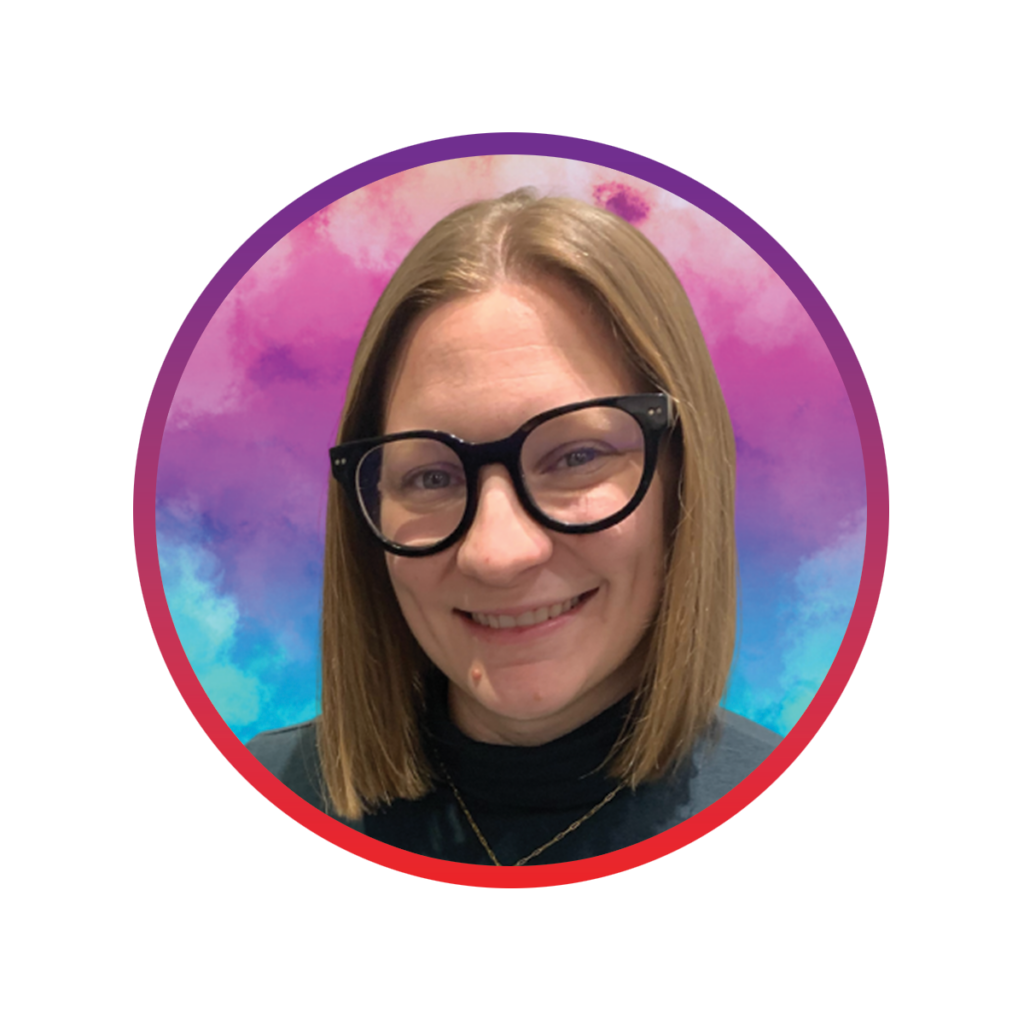
Amy Szczepanski (she/her) is a Professional Learning Specialist at Teaching Channel. She holds a B.S. in both Biology and Environmental Science, a Master’s in Teaching, and has been teaching since 2014. Amy uses her experience to create highly engaging and effective content for both teachers and students. She loves all things STEM and is passionate about teacher advocacy.
Fun fact: Amy’s favorite hobby is taking long walks through New York City searching for delicious treats.